
Call us now :08045816589
 Send Inquiry
 Send Inquiry
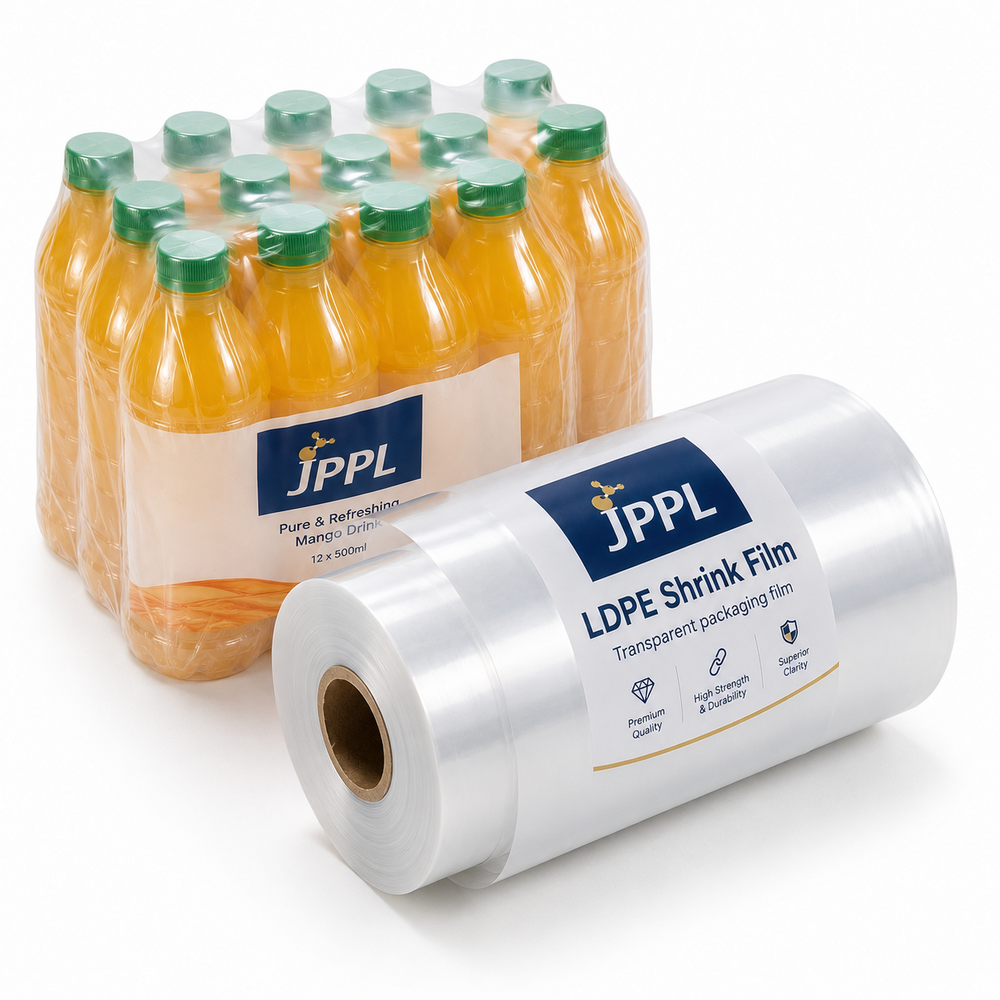
Bottle Packing Shrink Film
Price 115 INR/ Kilograms
MOQ : 550 Kilograms
Bottle Packing Shrink Film Specification
- Type
- Shrink Film
- Material
- LDPE (Low Density Polyethylene)
- Tensile Strength
- Strong (as per LDPE standards)
- Working Temperature
- -30C to 70C
- Density
- 0.92 Gram per cubic centimeter(g/cm3)
- Length
- 200 meters (customizable)
- Width
- 100 mm to 1500 mm (customizable)
- Thickness
- 30 to 200 microns
- Transparency
- High Transparency
- Hardness
- Soft / Flexible
- Size
- Customized as per requirement
- Color
- Transparent
- Printability
- Printable Surface
- Surface Finish
- Glossy
- Water Resistance
- Yes
- Tear Resistance
- High
- Usage
- Bottle Packing, Multipack Wrapping
- Clarity
- Excellent Clarity for Product Display
- Recyclability
- 100% Recyclable
- Shrinkage
- Above 60% at 120C to 140C
- Chemical Resistance
- Good against common chemicals
- Sealing Type
- Heat Sealable
About Bottle Packing Shrink Film
Jagannath Polymers Pvt. Ltd. offers high quality LDPE Shrink Film Roll for industrial packaging, product wrapping, bottle packing, carton wrapping and bulk product protection. This film is made from Low Density Polyethylene and is designed to shrink tightly around products when heat is applied using shrink tunnel, heat gun or shrink wrapping machine.
LDPE Shrink Film Roll provides strong holding strength, good flexibility and product stability during storage and transit. It is suitable for wrapping bottles, cans, cartons, boxes, trays, consumer goods, food boxes, beverage packs, hardware items, industrial products and bulk packaging units.
This shrink film helps protect products from dust, dirt, moisture, handling damage and loose movement during transportation. It is widely used by packaging units, beverage companies, food packaging units, manufacturing companies, warehouses, logistics companies, retail packing units and industrial suppliers.
JPPL also highlights shrink film as a packaging solution for food boxes and bottles, and mentions that LDPE provides high strength to hold objects.
Premium Clarity and Protection
Enjoy excellent product visibility thanks to our film's high transparency and glossy finish, which enhances shelf appeal while providing reliable protection against moisture, dust, and contaminants. Its high tear and water resistance ensure that your bottles and multipacks remain secure through handling and transportation.
Flexible and Customizable for Your Needs
Our shrink film can be tailored in size, thickness (30-200 microns), width (100-1500 mm), and length (starting from 200 meters), accommodating a broad range of packaging requirements. Whether wrapping individual bottles or multipacks, the film's strong yet flexible nature (soft LDPE) guarantees a snug and effective fit.
Safe, Sustainable, and Easy to Use
Engineered for safe heat sealing and operational within -30C to 70C, this shrink film supports eco-friendly packaging practices. Its 100% recyclability and resistance to common chemicals make it a sustainable and versatile choice, while the printable surface enables you to showcase your branding with high visual clarity.
FAQ's of Bottle Packing Shrink Film:
Q: How is the Bottle Packing Shrink Film applied during packaging?
A: The shrink film is wrapped around bottles or multipacks and then heat is applied, typically at 120C to 140C. The film shrinks more than 60%, conforming tightly to the product's shape for a secure, tamper-evident seal.Q: What benefits does using this shrink film offer for bottle packaging?
A: This film offers excellent product visibility, a glossy finish for brand presentation, strong water and tear resistance, and ensures bottles are tightly secured. Its recyclable and chemical-resistant properties also make it a sustainable, safe choice.Q: When should I use this shrink film for packing?
A: It is ideal for primary or secondary packaging of bottles, especially when you need tamper-evidence, multipack bundling, or enhanced shelf appeal. It can be used during any stage of packaging that requires heat sealing and protective wrapping.Q: Where can the shrink film be used effectively?
A: It is suitable for use in bottling plants, beverage industries, food processing facilities, and any packaging operation requiring flexible, high-clarity, and secure wrapping for bottles or multipacks.Q: What is the process for customizing size and thickness of the film?
A: Clients can specify the desired width (100 mm to 1500 mm), thickness (30 to 200 microns), and length (minimum 200 meters) based on their packaging needs. Customization ensures a perfect fit for various bottle shapes and pack sizes.Q: Is the film suitable for printing and branding?
A: Yes, the film features a printable surface, allowing for high-quality graphics and branding to be displayed directly on the pack, making the product more appealing and marketable.Q: What are the environmental and safety characteristics of this film?
A: Made from LDPE, the shrink film is 100% recyclable and chemically resistant. It is safe for use within -30C to +70C and does not compromise the integrity of the packaged products, supporting both ecological responsibility and safety standards.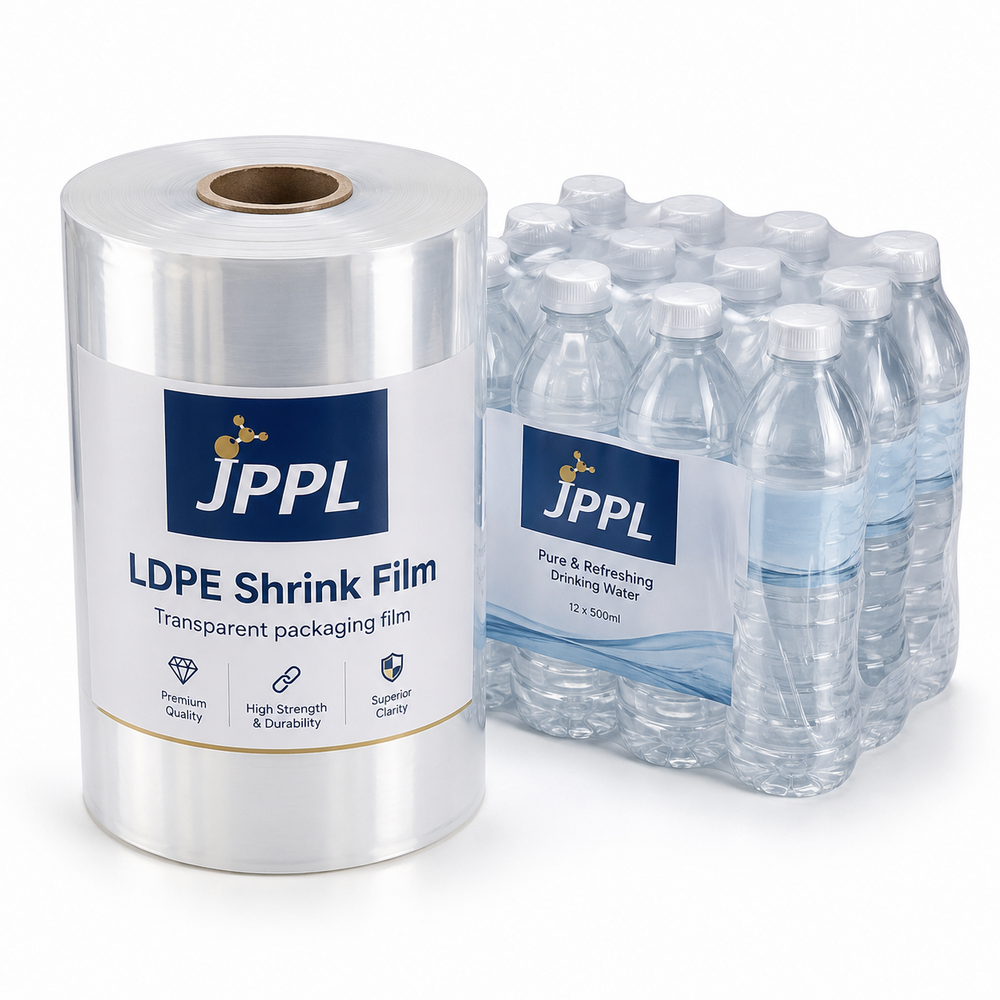
Tell us about your requirement

Price:
Quantity
Select Unit
- 50
- 100
- 200
- 250
- 500
- 1000+
Additional detail
Mobile number
Email

More Products in Shrink Film Roll Category
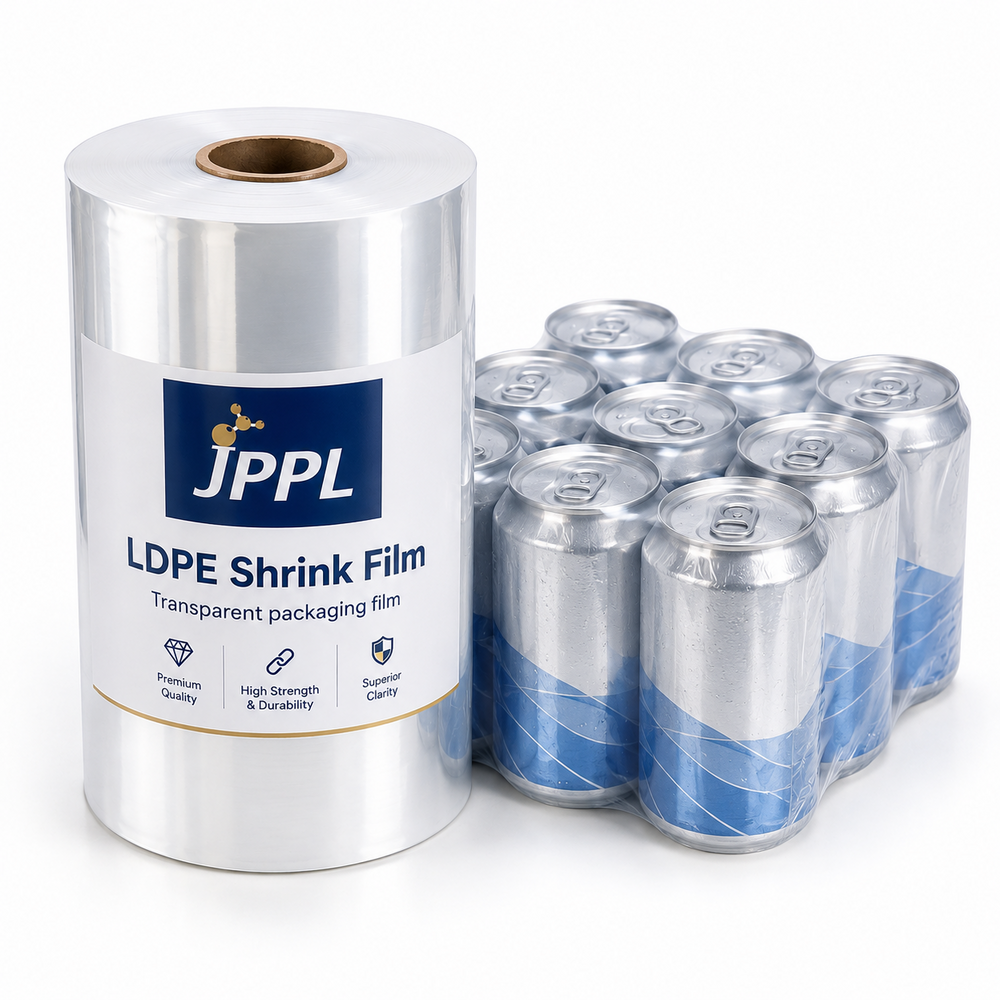
Industrial Shrink Film
Price 100 INR / Kilograms
Minimum Order Quantity : 550 Kilograms
Density : 0.94 Gram per cubic centimeter(g/cm3)
Width : 100 mm 1800 mm
Color : Clear
Thickness : 25200 microns
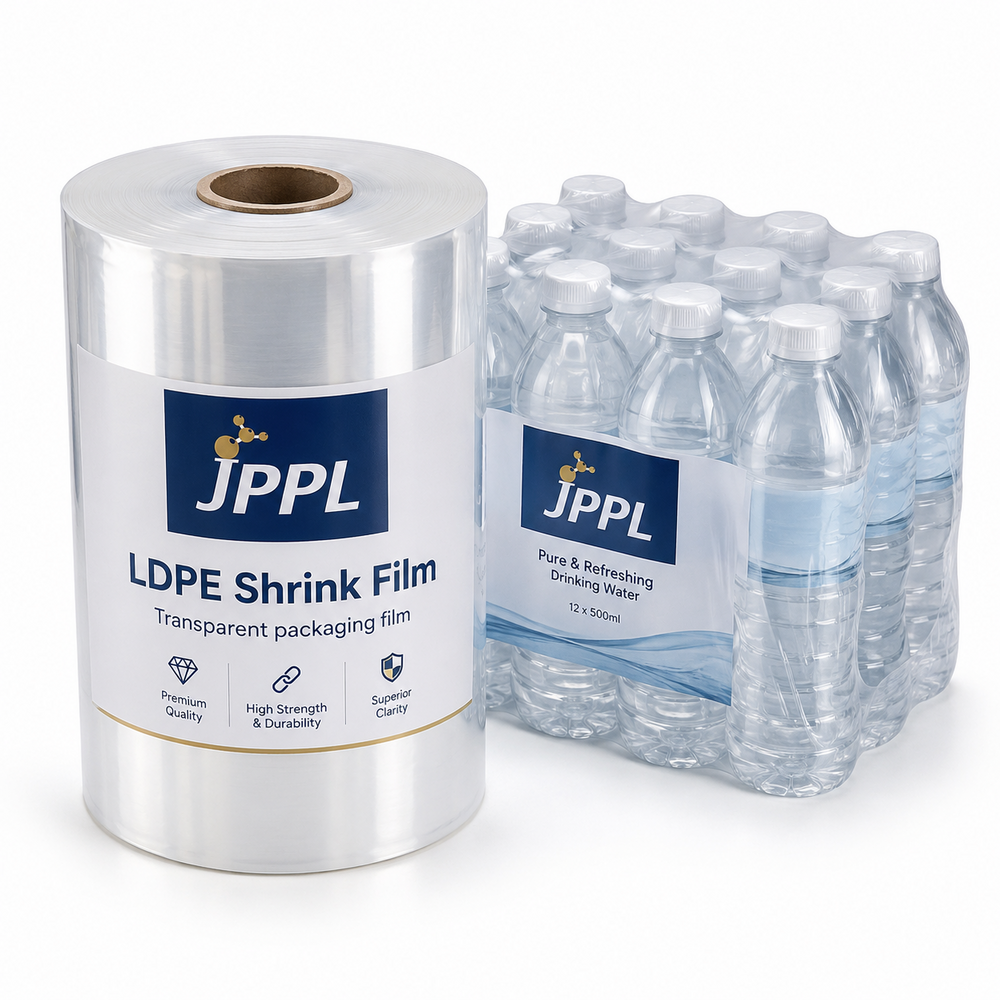
Custom Printed Shrink Film
Price 110 INR / Kilograms
Minimum Order Quantity : 550 Kilograms
Density : 0.92 Gram per cubic centimeter(g/cm3)
Width : Up to 1500 mm (customizable)
Color : Transparent
Thickness : 30 to 150 microns
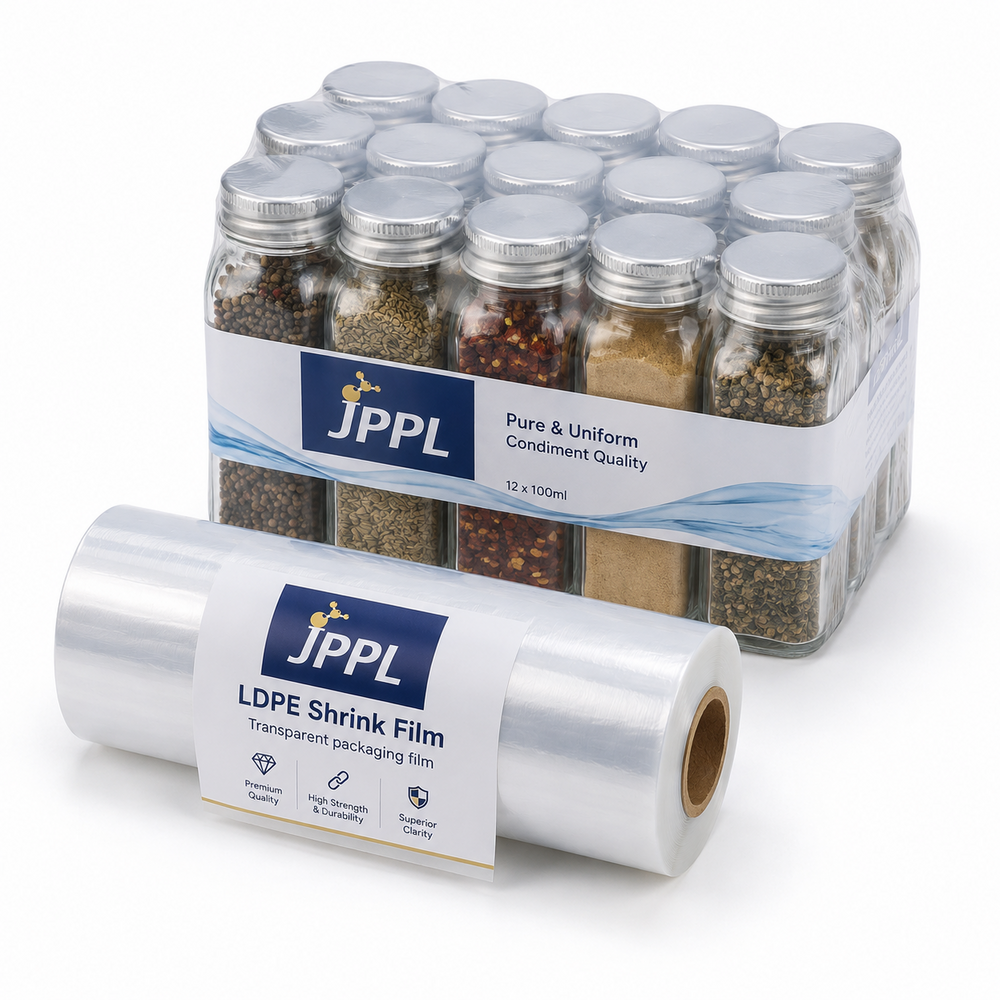
Heat Shrink Film Roll
Price 110.00 INR / Kilograms
Minimum Order Quantity : 550 Kilograms
Density : 0.93 Gram per cubic centimeter(g/cm3)
Width : Customizable (commonly 150 mm to 1200 mm)
Color : Transparent
Thickness : 40 to 200 microns (commonly customizable)
Packaging Shrink Film
Price 105 INR / Kilograms
Minimum Order Quantity : 550 Kilograms
Density : 0.92 Gram per cubic centimeter(g/cm3)
Width : Up to 1500 mm
Color : Transparent
Thickness : 20 to 200 microns

 Send Inquiry
Our Products
- Plastic Film
- Plain And Printed Tape
- Packaging Paper
- Transparent Tape
- Double Side Cloth Tape
- Surface Protection Film
- Double Side Foam Tape
- Packaging Envelope
- Honeycomp Paper Roll
- Kraft Paper Tape
- Bubble Wrap Paper
- Currier Bag
- Sticker And Label
- Crinkle Paper
- Kraft Paper Roll
- BOPP Tape
- Sanitary Napkin Pouch
- Plastic Liner Bags
- Water Based Adhesive
- Food Packaging Pouch
- Air Cushion System
- Oil Pouch
- Paper Bubble Machine
- Paper Sheet
- Plastic Pouch
- Warning Tape
- Masking Tape
- Liner Bag
- Honeycomb Paper Wrap
- Shrink Film Roll
- Double side Tissue Tape
- BOPP Tape Jumbo Roll


Plot No G-183, Udyog Vihar, Jaitpura, Near Dusad Udyog, Jaipur - 303704, Rajasthan, India

Mr. Punit Singhal
(Director)
Mobile :08045816589
 Send Inquiry
 Send SMS
 Call Me Free
Developed and Managed by Infocom Network Private Limited.


